
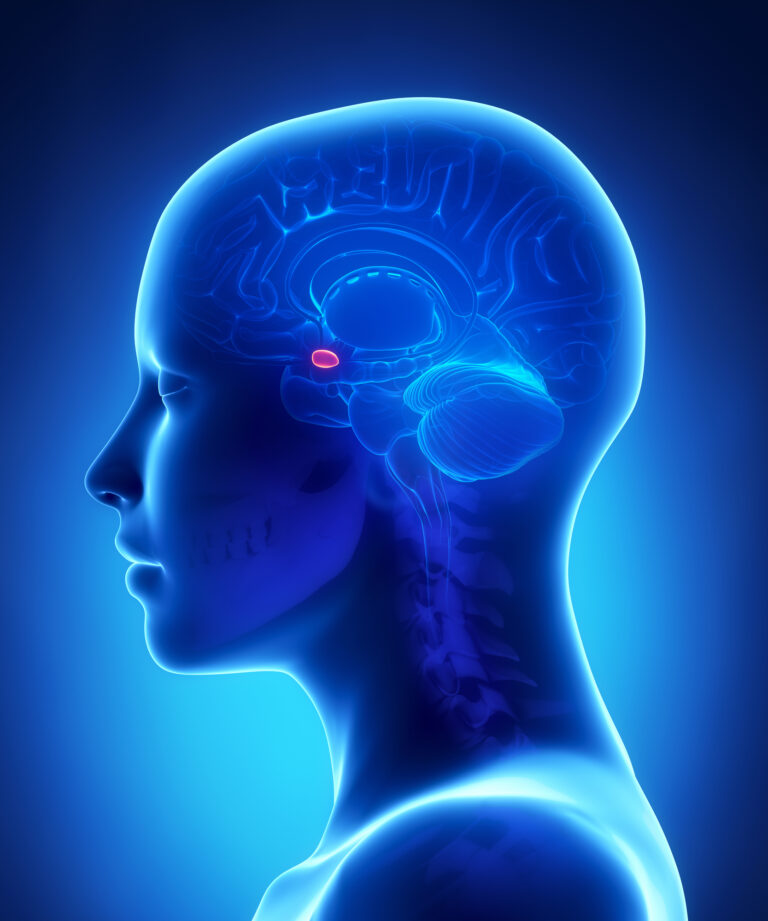
The pituitary gland is a small, pea-sized gland located at the base of the brain. It plays a major role in controlling important body functions such as growth, metabolism, and reproduction by releasing various hormones into the bloodstream.
Pituitary tumors are usually non-cancerous (benign) growths that develop in this gland. While some tumors don’t cause any noticeable symptoms, others can lead to hormone imbalances or press on nearby structures like the optic nerves, causing headaches or vision problems.
Acromegaly is a condition caused by a pituitary tumor that produces too much growth hormone. This can lead to enlarged hands and feet, joint pain, changes in facial features, and other health problems if not treated.
Cushing’s disease occurs when a pituitary tumor causes the body to produce too much cortisol. Symptoms may include weight gain, easy bruising, high blood pressure, and mood changes.
Prolactinomas are pituitary tumors that make too much prolactin, a hormone involved in reproduction. High prolactin levels can cause irregular menstrual periods, infertility, or breast milk production in people who are not pregnant or breastfeeding.
Vasopressin deficiency, previously known as central diabetes insipidus, occurs when the body doesn’t produce enough vasopressin—a hormone that helps the kidneys control water balance. This can lead to excessive thirst and frequent urination, even at night. If untreated, it may cause dehydration and electrolyte imbalances. Vasopressin deficiency is often linked to damage or disorders affecting the pituitary gland. Treatment typically involves medication to replace the missing hormone and manage symptoms.