
Metabolic and Genetic Endocrine Disorders
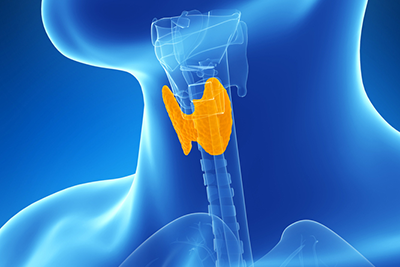

Endocrine System CC BY-SA 4.0
Obesity means having too much body fat, which can harm your health. Medical providers often use a measurement called body mass index (BMI) to help identify obesity, but other factors like waist size and where fat is stored in the body are also important.
Having obesity can lead to serious health problems. Extra fat tissue releases chemicals that cause inflammation and make it harder for your body to use insulin, which can lead to high blood sugar and type 2 diabetes. Obesity also raises your risk for high blood pressure, unhealthy cholesterol levels, heart disease, fatty liver disease, and some types of cancer. These problems often develop slowly and may not cause symptoms right away, so regular check-ups are essential.
The good news is that losing even a small amount of weight—just 5% to 10% of your body weight—can improve your health and lower your risk for these complications. Making healthy changes in eating, physical activity, and other habits can help prevent or manage these conditions.
We can help achieve weight loss goals through medical therapy, nutrition, and counseling.
Metabolic Syndrome:
Metabolic syndrome is a group of health problems that often happen together and raise your risk for heart disease, stroke, and type 2 diabetes. These problems include having a large waistline (abdominal obesity), high blood pressure, high blood sugar, high triglycerides (a type of fat in your blood), and low levels of HDL (“good”) cholesterol. If you have at least three of these, you may have metabolic syndrome.
Having metabolic syndrome means your body is not handling energy and nutrients as well as it should. This can lead to extra fat around your belly, higher blood sugar, and unhealthy cholesterol levels. Over time, these changes can damage your blood vessels and organs, making it easier for serious conditions like heart disease and diabetes to develop.
Eating a balanced diet, being active, and losing weight can help lower your risk and even reverse some of these problems. Small, lasting changes in your daily habits can make a big difference in your long-term health.
The most robust evidence supports the Mediterranean diet, regular moderate-intensity exercise, and achieving at least 5–10% weight loss over 6–12 months.
Lipid Disorders:
Lipid disorders, also called dyslipidemia, mean that the levels of fats (like cholesterol and triglycerides) in your blood are not in a healthy range. Having high levels of “bad” cholesterol (LDL) or triglycerides can raise your risk for heart disease and stroke. Sometimes, these problems run in families, but often they are caused by eating foods high in saturated fat, not getting enough exercise, or being overweight.
The good news is that healthy lifestyle changes can make a big difference. Eating more vegetables, fruits, whole grains, beans, lean meats, and fish, while cutting back on foods high in saturated and trans fats (like fried foods and fatty meats), helps lower cholesterol. Try to limit salt and sugary foods and choose healthy oils like olive or canola oil. Regular physical activity—like brisk walking, biking, or swimming—also helps improve your cholesterol and overall heart health. Aim for at least 150 minutes of moderate exercise each week.
Sometimes, medicine may be needed if lifestyle changes aren’t enough, especially if your cholesterol is very high or you have other risk factors for heart disease.
Making small changes every day can help protect your heart and keep you healthy for years to come.
Genetic Endocrine Disorders:
Genetic endocrine disorders are health conditions caused by changes (mutations) in genes that affect how your body makes and uses hormones. Hormones are chemicals that help control many important functions, like growth, energy, and reproduction.
These disorders can be passed down in families. Some common examples include:
- Congenital Adrenal Hyperplasia (CAH): A condition affecting hormone production in the adrenal glands.
- Multiple Endocrine Neoplasia (MEN): A group of conditions that cause tumors in hormone-producing glands.
- Inherited thyroid, pituitary, or parathyroid problems: These can affect growth, metabolism, and calcium levels.
Genetic testing can help find out if you or your family members have a genetic change that causes an endocrine disorder.