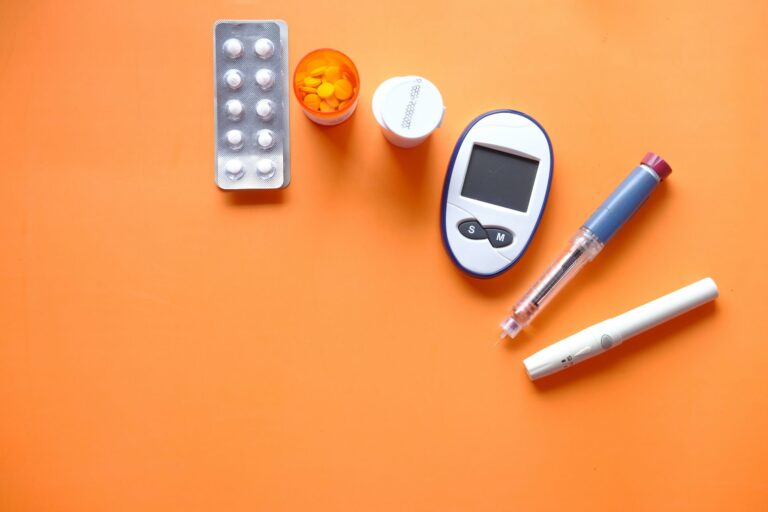
Denver Endocrinology Diabetes and Thyroid Center is a state-of-the-art facility in diabetes management. Our expertise includes Type 1 Diabetes, Type 2 Diabetes, Latent Auto-immune diabetes of Adulthood (LADA), Maturity Onset Diabetes in the Young (MODY), steroid-induced diabetes, pancreatic diabetes, and Gestational Diabetes.
This type of diabetes results from an immune system attack on the beta cells in the pancreas that produce insulin. Insulin is a hormone your body typically makes to help break down sugar into energy. Latent Auto-immune diabetes of Adulthood (LADA) is also an autoimmune diabetes that tends to occur in adulthood and may not progress as rapidly as type 1 diabetes.
This type of diabetes is often diagnosed in adulthood, but can be diagnosed in children. This diabetes is due to a condition called insulin resistance. The body’s insulin cannot break down sugar (glucose) into energy. This type of diabetes can be genetically linked, but it is often due to poor diet/lifestyle and abnormal weight.
Type 1 diabetes is treated with insulin replacement (see below for options)
Type 2 diabetes may be treated with oral medications, injectable medications, and/or insulin along with diet changes, routine physical activity, and stress management.
Insulin Treatment Options
Denver Endocrinology Diabetes and Thyroid Center has a team of physicians, nurse practitioners and Certified Diabetes Care and Education Specialists (CDCES) who all specialize in intensive insulin management options:
- Insulin injections using insulin pens or vials/syringes – Intensive insulin therapy aims to mimic the normal pancreas by using two types of insulin: long-acting (basal) insulin and rapid-acting (bolus) insulin. Rapid-acting insulin is taken before meals to cover the food you eat, and long-acting insulin is given 1-2 times daily to achieve overall lowering of blood sugar.
- Insulin pumps – We provide intensive education to our patients regarding insulin pump therapy. We will work with you and your primary care providers to customize your pump to best meet your insulin needs, dietary habits, and exercise regimen. We provide individual pump training and ongoing training on your insulin pump. We are trained in all current FDA-approved insulin pumps, including all hybrid closed-loop models and software.
- An insulin pump is a device the size of a deck of cards (or smaller) that contains a syringe reservoir filled with insulin. A small, flexible tube connects the insulin reservoir to a catheter inserted under the skin in the abdomen. There is also a tubing-free pump attached directly under the skin on the abdomen, back or arm. These pumps deliver rapid-acting insulin in two ways: continuously (basal) and in bursts (bolus) to cover food intake. An insulin dose is manually programmed into the pump to cover the food eaten.
- Insulin Pumps can be customized:
- To reduce episodes of hypoglycemia
- To determine your personal sensitivity to insulin: how much insulin is required to lower blood glucose to a desired level. (sensitivity factor)
- To adjust basal rate and bolus insulin
- To adjust your exercise habits
- To calculate your mealtime bolus with carbohydrate counting
- To be integrated with continuous home glucose monitoring technology
Continuous Glucose Monitoring Systems
Continuous glucose monitoring uses a glucose sensor (contained in a small filament placed under the skin) to measure glucose levels in interstitial fluid, the fluid between cells. The sensor wirelessly transmits results to a small recording device (the size of a deck of cards) or your cell phone, which can be worn on clothing, carried in a purse, or placed within a short distance of the sensor (e.g., a bedside table). The sensor records and displays blood glucose levels every few minutes, allowing the patient to observe the trend. The receiver can also be set to alarm if the blood glucose level is above or below a preset level, which can be especially helpful for patients who cannot feel when their blood glucose is low (hypoglycemia).
The sensor must be removed and reinserted in a different area every 7-15 days (pending the brand of sensor). We are also certified to place and train you on a sensor that is inserted in our office once every 365 days.
Gestational Diabetes and Diabetes in Pregnancy (T1 and T2)
Our staff of experts is well-trained to manage your diabetes in pregnancy. We follow current guidelines to help you maintain normal glucose values during pregnancy and can provide lifestyle and dietary guidance, as well as medication management. We work closely with your OB to ensure your diabetes is well-managed with the goal of a healthy baby and positive birthing outcomes.