
Calcium and Bone Disorders
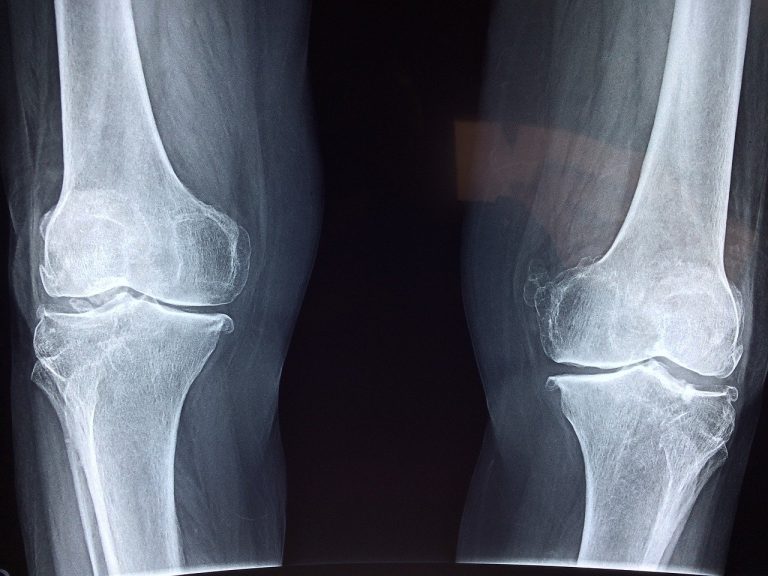
Calcium and Bone Disorders
- Osteoporosis
- Osteopenia
- Hyperparathyroidism
- Hypoparathyroidism
- Vitamin D deficiency
- Paget’s disease of bone
Osteoporosis and Osteopenia: Osteoporosis is a condition where bones lose mineral density, increasing the risk that they may fracture. Osteopenia is the term for when bones have lost some mineral density but to a lesser extent than in osteoporosis. Treatment of osteoporosis or osteopenia includes evaluating for underlying causes of bone loss and then developing a plan of care to address these causes, use of medications when appropriate to reduce the risk of fracture, and lifestyle interventions that can help maintain or improve bone density.
Hyperparathyroidism: The parathyroid glands in the neck produce parathyroid hormone, which is essential for maintaining normal calcium levels in the blood. When a parathyroid gland is overactive, known as hyperparathyroidism, it can result in loss of bone mineral density, calcium kidney stones, and symptoms such as fatigue, constipation, renal symptoms and cardiac arrhythmias. Hyperparathyroidism can be treated by surgically removing the affected gland or with medications if surgery is not appropriate.
Hypoparathyroidism: When levels of parathyroid hormone are too low it results in low blood calcium levels. Symptoms of low calcium can include tingling in the face and hands, muscle cramps, confusion, and irritability. Hypoparathyroidism can often be treated with a combination of calcium and active vitamin D, but in certain cases may require other medications with the goal of maintaining normal calcium levels to avoid long term complications.
Vitamin D Deficiency: Vitamin D is an important vitamin that plays a role in calcium absorption and bone mineralization. Vitamin D deficiency can occur with low levels of sun exposure or poor absorption of vitamin D in the intestine. Maintaining normal vitamin D levels in the blood is important for bone health.
Paget’s Disease: Paget’s disease is a disease where there is increased remodeling of the bones. In some cases Paget’s disease may be hereditary. Bones are broken down at an increased rate and the new bone that is formed is poorly organized which makes it weaker and abnormal in structure. This may cause pain, fractures, or other complications. Paget’s disease can be treated with bisphosphonates to slow down bone remodeling.