
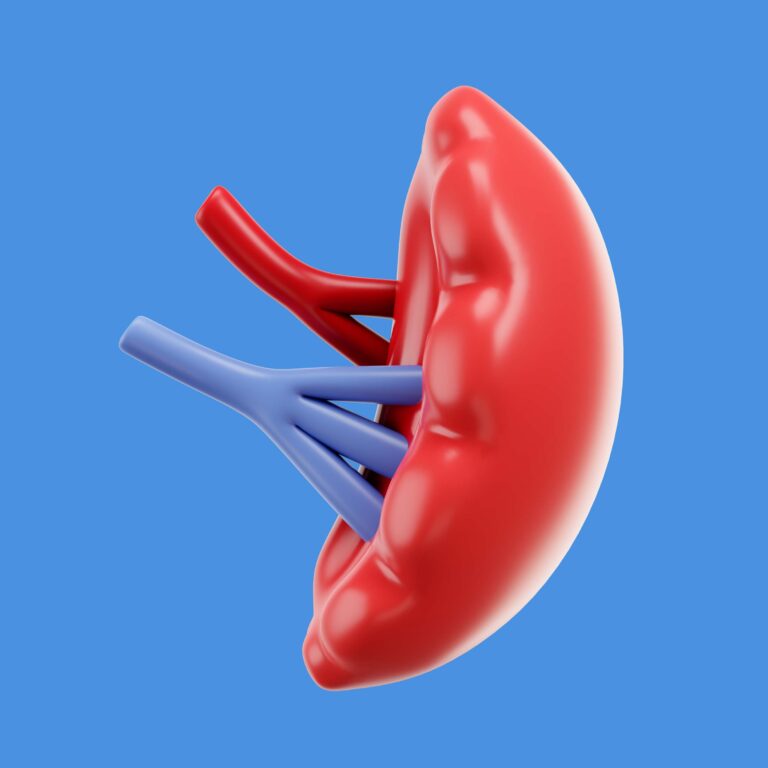
The adrenals are 2 small glands located above the kidneys in the abdomen. There are complex layers of hormone-producing cells on the outside of the gland (adrenal cortex) and an internal area called the medulla. Each layer is responsible for producing different hormones that are incredibly important to our day-to-day functioning. The adrenal gland produces cortisol, aldosterone, androgens, and other neuroendocrine hormones. Cortisol is our natural anti-inflammatory hormone and increases when our body is ill or strained. Aldosterone impacts our blood pressure. Androgens such as DHEA-S and androstenedione affect the development of secondary sex characteristics. The internal area of the adrenal gland secretes our fight or flight hormones: epinephrine, norepinephrine, and dopamine. We refer to these as ‘adrenaline.’
Adrenal Gland Disorders
Specific conditions we treat:
Adrenal Insufficiency: when the adrenal glands cannot produce some or all of the above hormones. Addison’s disease falls under this category and is an autoimmune destruction of the glands, leading to low cortisol, aldosterone, and DHEA-S. This condition is fatal if not treated but can be managed with medications.
Cushing’s syndrome: excess cortisol production specifically from the adrenal glands either via ACTH stimulation from the pituitary gland, or independently from an adenoma (growth) on the adrenals. Rarely, adrenal cancer can overproduce cortisol, causing this syndrome.
Primary Hyperaldosteronism (Conn’s syndrome): excess aldosterone production from an adenoma (growth) on one gland or hyperplasia (diffuse growth of both glands). This leads to salt/sodium retention, high blood pressure, and potassium waste.
Pheochromocytoma or Paraganglioma: rare tumors in the adrenal gland or along the sympathetic/parasympathetic nervous system chain. Sometimes these secrete excess epinephrine or norepinephrine, leading to a feeling of excess adrenaline, high blood pressure, heart racing, sweating, anxiety, and headaches.